
"Isolated Personnel"
It is your responsibility to plan your own extraction.

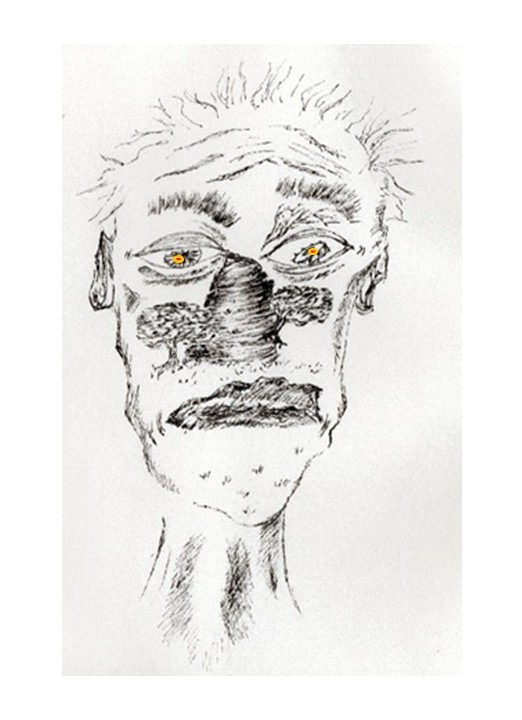
Early in the Iran War, an American F-1E5 aircrew ejected from their aircraft and parachuted behind enemy lines. This led to an intense (and successful-Praise the Lord) rescue effort. Members of the Armed Forces involuntarily separated from friendly units are termed “Isolated Personnel.”
Most likely, you know a spiritually isolated person, but we may not realize it. We all know those who simply cannot make life work. For whatever reason, they appear immune to the Gospel no matter how hard they slog. Everyone around them knows what they must do to begin a fulfilled life of grace. They either do not see the issue, will not or cannot make the appropriate changes.
Many Christians have a gift for reaching out to “awkward loners” who have been left behind and left alone in life.
The less obvious isolated personnel live among us without ever being detected.
Far from the awkward or “loners”, these souls always have the right thing to say and have friends in every cross section of society. Deep inside something does not add up. For years they have prayed for rescue from a character flaw or an ancient hurt. They feel the Gospel simply does not work for them. When they fail, everyone is taken off guard. Think of the great televangelists and entrepreneurs who made the headlines over the years.
“Get help.”
It is so simple. Pray harder, work harder, confess, get counseling, move ahead. The worst kind of isolation occurs in crowds.
Leading a congregation of two hundred needy people creates an attitude of needing to be nearly perfect. In their sermons and inspirational talks, they confess minor foibles, only as a technique. They know minor confessions are appealing, humanizing.
These isolated people pray harder, work harder, read the Bible more; nothing works. Is the Gospel even for them? Avenues of escape are cut off by pride or concerns of losing their ministries. Many traditions are dubious about counseling, even if it is biblically based.
“The worst form of isolation happens in crowds.”
Once in college I left a sticky note on the dorm rooms message board that I wanted to talk something over with my roommate when he returned. I subsequently laid down for a nap. I heard him come in and call a mutual friend. He noticed my note and said pretentiously, “Oh Mark wants to talk to me about something, I just saw his note.” The friend said something and my roommate replied, “I don’t know, he just wants to confide something in me.”
When I did talk to him later, I found something mundane to share with him. Make a habit of keeping a confidence. The fact that someone even shared a problem should be kept quiet. The best way to guard a secret is to keep it a secret that you even know a secret.
When people realize we are safe, we open opportunities to help others find healing.
An inappropriate comment could be a clue that someone is struggling. Most people will say something they regret from time to time, but a habitual lack of discretion could be a sign that a person is struggling. A gentle suggestion given in private could open an opportunity.
Slef-isolated people must be encouraged to repent and if public trust has been broken, confess to their larger sphere of influence. Those who take the initiative in these matters generally meet with more sympathy and understanding. We can be the catalyst for ultimate healing.
If you feel like an isolated person, remember what one of my commanders once told me; “bad news doesn’t get better with time.”
It does not age well. Pull the weed before it ravishes the garden.
If you are separated in this context, do not share with a person like my former roommate. He demonstrated a desire to bolster his social capital by publicizing he was my confidante. Find a trusted friend, a mentor or an elder. You may want to find a counselor with a professional ethic of confidentiality.
RELATED ARTICLE: Extraordinary Weapons: Confession

One thing that always amazes me in the stories of downed aircrews is their own participation in being rescued. A pilot in the Gulf War found his own extraction point, recommended the rescue avenue of approach and time of day. It is your responsibility to plan your extraction from enemy oppression. You have most likely hidden your flaws so well those around you do not know you are in captivity.
Repentance is non-negotiable; it is better to “come clean” than to be discovered, and we will be discovered.
Preachers or prominent members of a community are especially vulnerable to isolation. The position which “necessitates” secrecy creates isolation and makes the fall even more tragic and notorious. Ultimately you must confess your struggles. This takes courage and humility, but it will be rewarding in the years to come.
Remember, our Lord said, “for unto whomsoever much is given, of him shall be much required: and to whom men have committed much, of him they will ask the more” (Luke 12:48b).
When the Church becomes the agent of grace we are to be, we will have fewer “isolated personnel.”
The responsibility belongs to all of us.